By James Hartwell | Football Writer, Sportspherearena
Seven matches. One system. Zero adjustments.
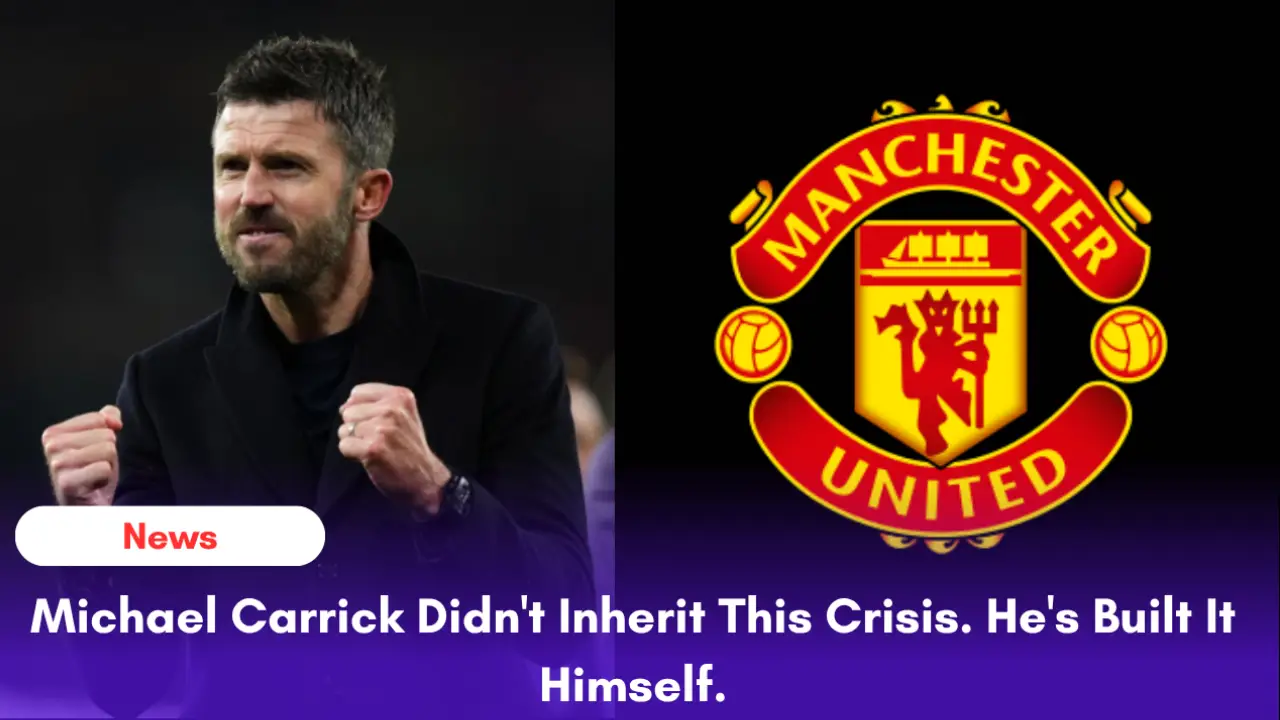
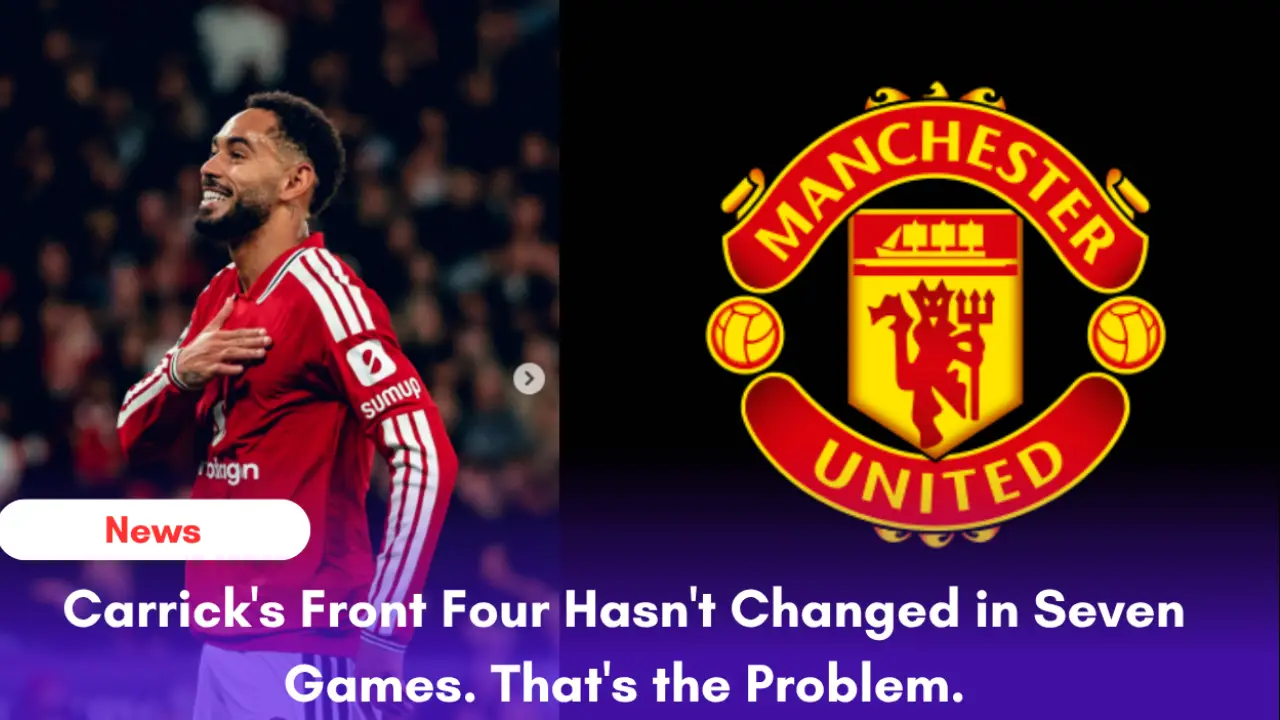
Manchester United have played seven games under permanent manager Michael Carrick. In every single one of them, the front four has looked essentially the same: Matheus Cunha operating as a centre-forward, Bryan Mbeumo out on the wing, Bruno Fernandes underneath trying to make it all function. It hasn’t worked yet. Carrick hasn’t changed it yet. Those two facts are connected, and the longer they sit next to each other unaddressed, the harder they are to explain away as bad luck.
Manchester United’s front four has featured minimal changes across all seven matches played under Michael Carrick this season.
This isn’t really a story about results, even though the results are bad — eliminated from the Carabao Cup, dropped into the bottom half of the Premier League. It’s a story about a manager who identified a problem, tried one solution, watched it not work, and then just… kept running it anyway.
Also Read: The Tapes Alex Ferguson Never Meant to Last This Long
The experiment that hasn’t returned goals
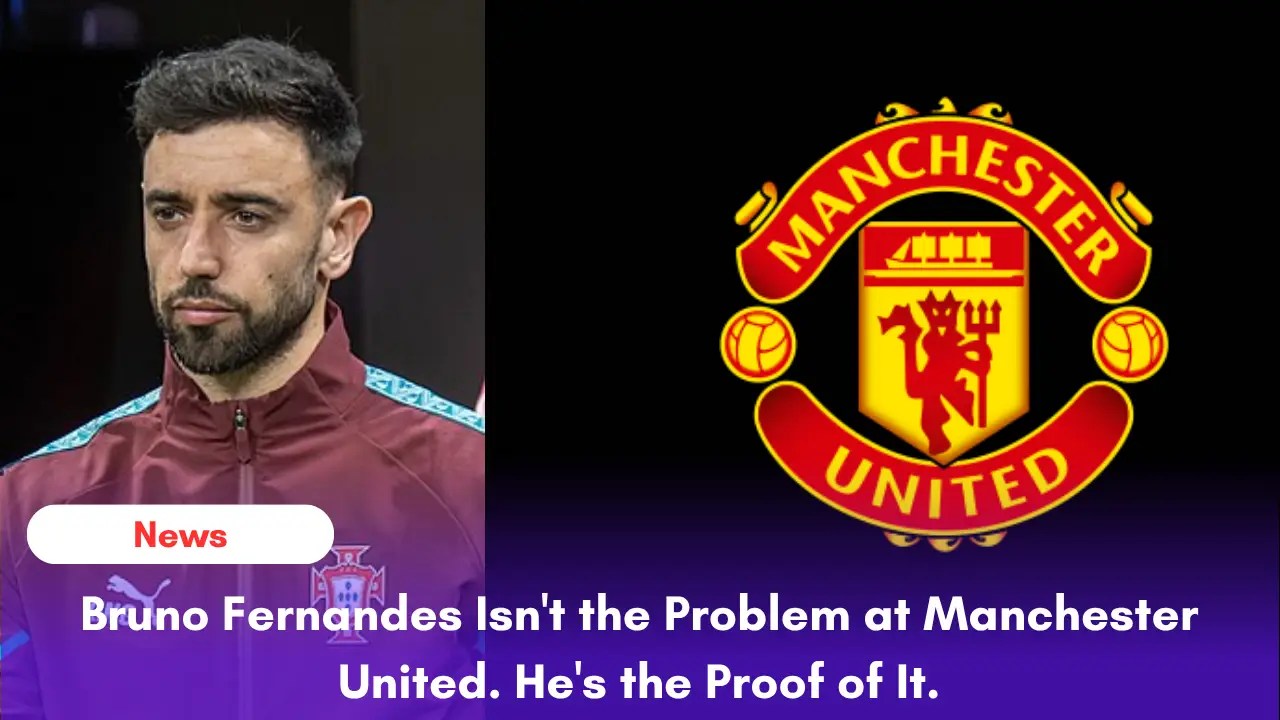
Carrick’s setup asks Cunha to play as a false-nine type figure, dropping deep, linking play, creating space for the runners around him. It’s not a mad idea in theory. Plenty of good teams have built attacks around a forward who doesn’t behave like a traditional number nine. The issue is that this specific version of it, with this specific squad, isn’t returning goals. Mbeumo on the wing hasn’t found the end product to compensate. Fernandes, underneath it all, has contributed four goals and one assist across the seven games — and every single one of those contributions came against Ipswich Town or Azerbaijani champions Sabah, not a Premier League side inside the current top half.
Every one of Bruno Fernandes’ contributions this season has come against Ipswich Town or Sabah — no Premier League side inside the current top half.
That’s not Fernandes’ fault. That’s a front four that isn’t creating chances against teams capable of defending properly, and a manager who hasn’t blinked in response.
Injuries explain some of it. Not all of it.
To be fair to Carrick, his hand has been partly forced. Benjamin Sesko, who looked to be finding form, has picked up a fresh injury. Amad Diallo is also sidelined. Those absences genuinely narrow his options up front, and it’s reasonable that Cunha and Mbeumo have had to carry more of the attacking load than originally planned.
But “somewhat forced” is doing a lot of work in that sentence. Seven games is enough time to try a different shape, alter the pressing structure, drop Cunha into a deeper role and push someone else higher, or simply accept the experiment has stalled and adjust the supply lines around Fernandes instead of hoping the same setup eventually clicks. None of that has happened. The team that started against the first opponent of the season looks, structurally, almost identical to the team that’s played every game since.
Manchester United have made minimal tactical or personnel changes to their front four across seven matches, despite a lack of sustained attacking output.
What stagnation actually costs
This is where the tactical story becomes a results story, and where Carrick’s early goodwill starts running out. Manchester United have been knocked out of the Carabao Cup. They sit in the bottom half of the Premier League. Gary Neville has used his Sky Sports platform to call the players a group with an attitude problem — the kind of punditry that tends to follow performances that genuinely warrant it, not headline-chasing for its own sake. Bookmakers have shortened Carrick’s odds in the sack race, which is a market reading exactly the pattern described above: a team that isn’t creating enough, run by a manager who hasn’t changed how they try to create it.
None of that happens in isolation. It happens because a front four that isn’t working has been left alone for seven straight matches.
Also Read: Michael Carrick Didn’t Inherit This Crisis. He’s Built It Himself.
The parts of the squad that are working
It’s worth being precise about where the problem actually sits, because not everything at Old Trafford is broken. Senne Lammens has been assured in goal. Kobbie Mainoo has looked like a genuine footballer again in midfield. Shea Lacey scored on his first-team debut against Brighton, in a match United still lost — which tells you the issue isn’t a lack of individual talent coming through the squad. It’s specifically the front four, and specifically Carrick’s unwillingness, so far, to treat it as broken enough to fix.
Marcus Rashford, back at Old Trafford after Barcelona opted against making his loan permanent, hasn’t kicked on either — another attacking option that hasn’t been meaningfully worked into a different structure. The raw materials for a different front four exist inside this squad. Whether Carrick trusts himself to use them is a separate question entirely.
Where this actually goes from here
The uncomfortable truth for Carrick is that seven games without adjustment isn’t patience anymore — it’s starting to look like a lack of a plan B. Managers who inherit a job on the back of a strong finish get a longer leash than most, but that leash tightens fast once the market starts pricing in doubt and pundits start using words like “whinge-bags” on live television.
Fernandes’ underlying numbers will likely regress toward the mean — talented players usually find a way back. The bigger question hanging over Old Trafford isn’t whether he does. It’s whether the shape and personnel in front of him will look any different when he does.
FAQ
Why hasn’t Michael Carrick changed Manchester United’s front four this season?
Injuries to Benjamin Sesko and Amad Diallo have narrowed Carrick’s attacking options, but even accounting for that, the Cunha-Mbeumo-Fernandes setup has remained largely unchanged across seven matches despite a lack of sustained goal output.
Is Matheus Cunha working as a centre-forward for Manchester United?
Cunha has been deployed as a false-nine type figure under Michael Carrick, but the front four built around him hasn’t returned consistent goals, with Bruno Fernandes’ four goals and one assist all coming against Ipswich Town and Sabah rather than Premier League opposition.
How has Manchester United’s stagnant attack affected results?
United have been eliminated from the Carabao Cup and dropped into the bottom half of the Premier League, a run of results that has coincided with seven matches of minimal change to the team’s front-four setup under Michael Carrick.
Also Read: