The Premier League’s ban on front-of-shirt gambling sponsors was supposed to be a landmark. After years of pressure, the 20 clubs agreed in 2023 to remove betting logos from the chests of matchday shirts starting this season. It was presented as the first voluntary step of its kind by a major UK sports league. Three years later, the logos are gone from the front of the shirts. Almost everything else remains.
Manchester United, Tottenham Hotspur and several other clubs have moved quickly into the spaces the ban left open. Training kits, pre-match tops, sleeves, stadium advertising and social media content still carry gambling brands. The result is a restriction that looks significant on paper and limited in practice.
The front-of-shirt ban removed the most visible logo. It did not remove the industry.
A long-planned restriction with a narrow scope
The decision was announced in April 2023 after consultation with the Department for Culture, Media and Sport. Clubs were given three full seasons to prepare. The ban applies only to the front of matchday shirts. Sleeve sponsorship, training wear, pre-match clothing, perimeter boards, big screens and broadcast partnerships were left untouched.
That narrow framing created an obvious commercial path. Clubs that relied on gambling money simply shifted the same partners, or new ones, into the permitted categories. Research before the ban estimated that front-of-shirt deals with betting companies were worth a combined £104 million across the league in 2024-25. Those numbers have not disappeared. They have been redistributed.
Manchester United’s response was the clearest illustration. In the summer the club announced a multi-year training kit deal with Betway reported to be worth around £20 million per season. The logo appears on the training wear of both the men’s and women’s teams and features prominently at Old Trafford on matchdays. The figure exceeds the primary shirt sponsorship of many mid-table clubs. United’s statement focused on commercial growth and global reach. It made no reference to the ban the deal was designed to navigate.
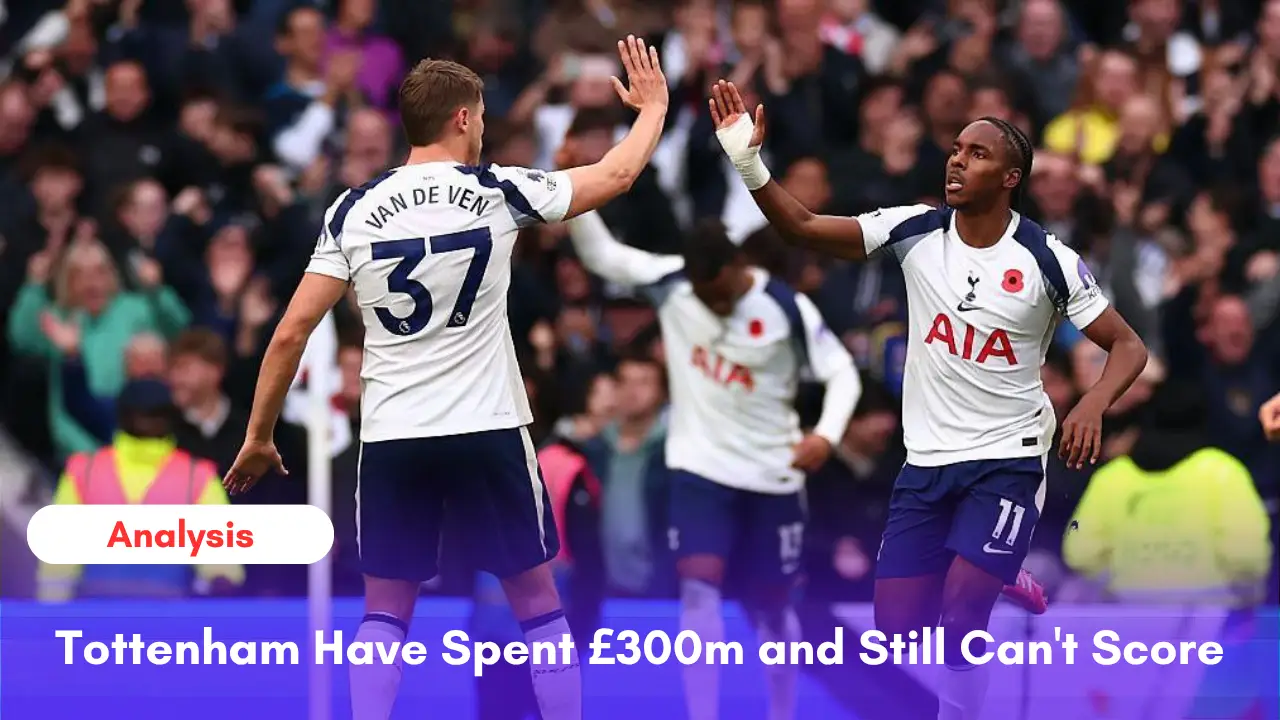
Tottenham followed a similar route. Betano now appears on the club’s training kit and pre-match wear. Everton moved Stake.com from the front of the shirt to the sleeve. Aston Villa did the same with Betano. Bournemouth retained gambling brands on both sleeve and training kit. Six clubs currently carry betting firms as sleeve sponsors. The exposure has changed location, not volume.
Why the loophole matters
Training and pre-match content reaches audiences the matchday shirt never did. Club social channels post daily images and videos of players in training kits. Those posts travel globally, often to younger followers. Pre-match warm-ups are filmed and shared before every game. The gambling logo is present in the moments fans engage with most frequently outside the 90 minutes.
Campaigners argue this undermines the stated purpose of the ban. Nick Harvey of the Coalition to End Gambling Ads has described the front-of-shirt restriction as a gesture while “tens of thousands of ads” remain across stadiums, sleeves and media. James Grimes, director of the national gambling harm prevention programme Chapter One and founder of The Big Step campaign, is more direct. “It shows what, as a society, we’re up against,” he has said. “The gambling industry and the football industry will together find a way to maximise profit.”
Grimes began The Big Step in 2019 by walking between the grounds of clubs that carried front-of-shirt gambling sponsors. He estimates he lost £100,000 to gambling over 12 years before stopping in 2018. His campaign is rooted in lived experience of harm and in the families of those who have died by gambling-related suicide. Research linked to the group suggests between 117 and 496 gambling-related suicides occur in England each year, and that more than 10 per cent of 18-to-24-year-olds who gamble experience problem gambling.
From that perspective, moving a logo from chest to sleeve or training top changes little about the message young fans receive.
Unlicensed operators and the next battle
While clubs have exploited the permitted categories, the government has turned its attention to a different problem: sponsorship by operators not licensed in the United Kingdom. An eight-week consultation on banning such deals closed recently. Under the proposals, agreements with unlicensed firms would become illegal next year.
Analysis has found that the number of Premier League clubs with commercial links to unlicensed operators rose from six to ten over the summer. Everton’s sleeve deal with Stake.com, Fulham’s training kit arrangement with SBOTOP and several stadium and digital partnerships fall into this category. Many of these brands target Asian markets but still gain visibility through Premier League exposure.
The Department for Culture, Media and Sport has stated that unlicensed operators do not offer the same player protections as UK-licensed firms, including vulnerability checks and spending limits. The Premier League has reportedly lobbied against a blanket ban, arguing that some of the services are not available to UK consumers. The tension is clear: clubs want to protect revenue streams; the government wants to close a regulatory gap that has grown precisely because the front-of-shirt ban pushed deals elsewhere.
Players as walking advertisements for the product that harmed them
The contradiction is sharpest when the discussion turns to players. Ivan Toney served an eight-month ban after 232 betting breaches and was later diagnosed with a gambling addiction. Sandro Tonali received a ten-month suspension from the Italian authorities for offences committed before his move to Newcastle and has spoken openly about developing a problem as a teenager. Both men returned to the Premier League. Tonali now trains at Tottenham in kit carrying the Betano logo.
The Big Step highlighted the irony on social media: few workplaces require employees to wear advertising for a product that previously destroyed their lives. Grimes has called it a summary of the wider contradiction. Clubs that have employed players with diagnosed gambling problems continue to sell the same product to their supporters.
A drop in the ocean
The front-of-shirt ban is real. For the first time in two decades, no Premier League matchday shirt carries a gambling company on the chest. That is progress of a sort. It is also, in the view of those who have campaigned longest, a drop in the ocean.
Gambling brands remain on training kits worth tens of millions, on sleeves, on hoardings, on big screens, and in the pre-match content that fills social feeds. Broadcast coverage is still saturated with betting sponsorship. The financial incentive for clubs to maintain these relationships has not disappeared. The regulatory pressure that produced the 2023 agreement has simply been redirected into narrower channels.
Whether the government closes the unlicensed-operator route next year will determine how much further the restriction goes. Until then, the Premier League’s landmark ban continues to coexist with a commercial ecosystem that still finds room for the industry it partially removed from the shirts.
The logos have moved. The exposure has not.
Also Read
- Behdad Eghbali : The Expensive Problem Clearlake Can No Longer Delay
- Andoni Iraola : The Expensive Pieces That Still Don’t Fit at Anfield
FAQ
What does the Premier League gambling sponsor ban actually cover?
Only the front of matchday shirts. Sleeve sponsorship, training kits, pre-match wear, stadium advertising and broadcast deals remain permitted.
How much is Manchester United’s Betway training kit deal worth?
Reports put the multi-year agreement at approximately £20 million per season.
Which other clubs have moved gambling brands to training kits or sleeves?
Tottenham (Betano on training kit), Everton (Stake.com on sleeve), Aston Villa (Betano on sleeve) and others.
Are unlicensed gambling sponsors still allowed?
Currently yes, but the UK government is consulting on a ban that could take effect next year.
What is The Big Step campaign?
A lived-experience campaign founded by recovering gambling addict James Grimes that has pushed for the removal of gambling advertising from football.